Explore how European towel textiles have evolved, from classic Belgian linen foutas to luxury cotton terry. This guide highlights common materials, weave types, and practical care tips to help readers choose and maintain towels with confidence.
Towels are more than simple absorbers of water. They carry centuries of textile knowledge, regional looms, and craft traditions that shape their character—softness, absorbency, weight, and longevity. In Europe, towel textiles have followed a path from rustic, home-spun practicality to refined, design-forward textiles suitable for hospitality, everyday bathrooms, and travel. At the heart of this evolution lies a dialogue between fiber, weave, and care—each choice echoing a regional legacy and a modern consumer’s quest for performance and beauty.
This article surveys the principal materials used in European towel production, with a focus on Belgian linen and long-staple cotton. It also delves into weave patterns such as terry loops, sateen finishes, and dobby borders, explaining how these structures influence feel, absorbency, and drying behavior. Along the way, we meet key figures from different time periods who shaped European textile traditions, illustrating how craft, industry, and design converged to create the towels we rely on today.
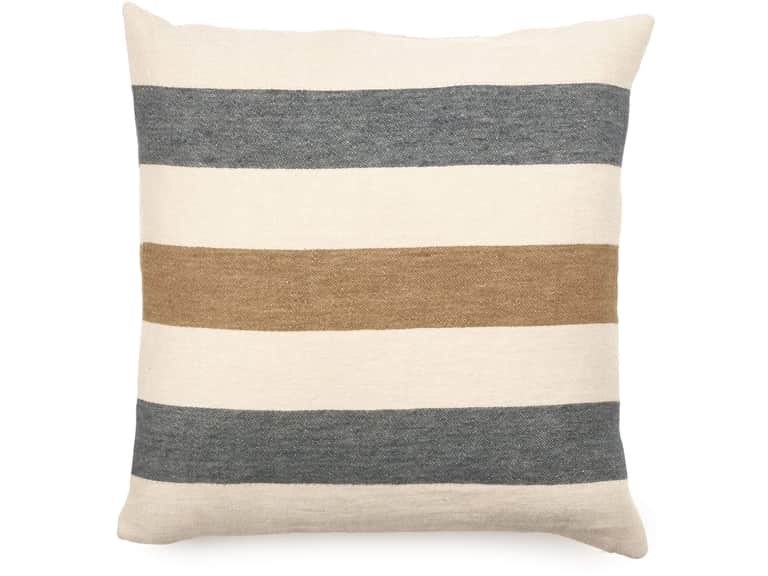
The Belgian Towel Fouta Mustard stripe 43x71" — 100% linen, fouta-style multipurpose towel with a warm mustard stripe and a washed finish. Durable, breathable, and ideal for beach, bath, or travel.
European towel textiles often begin with fiber selection, which largely determines performance. Belgian linen, produced from European flax, is renowned for its breathability, cool hand, and natural texture. Linen towels are typically lighter in weight than terry cotton but offer exceptional moisture management and a distinctive tactile character that ages with a soft patina.
Long-staple cotton, particularly from European mills, yields towels with plush hand, high absorbency, and resilient laundering. Cotton towels—especially blends and premium pure cotton—benefit from combed, long-staple fibers that reduce pilling and enhance color retention. When comparing linen versus cotton, readers should consider climate, usage patterns, and preferred feel. Linen tends to feel crisper and cooler, while cotton offers a velvety, more forgiving surface.
Other fibers appear in European lists as blends or specialty textiles: Turkish and Egyptian cottons contribute to luxurious terry towels, while bamboo and microfiber blends offer lightweight, quick-drying options. Each fiber category has unique laundering considerations, colorfast behavior, and performance expectations, which informs buying decisions for bath and beach environments alike.
The weave defines how a towel feels on the skin and how it behaves when wet. Terry weave—characterized by uncut loops—delivers maximum absorbency, creating the familiar plush surface that soothes after a shower. Sateen, a weave with a smooth, glossy face and a softer hand, often appears in fouta towels and higher-end linen products. The content from The Belgian Towel line shows that sateen weaves can deliver subtle sheen with durable performance, especially in linen-based products.
Dobby borders and hemstitching are small but meaningful details that communicate craftsmanship. A dobby border can add a visual rhythm to a towel’s edge, while hemstitched borders on linen towels convey tradition and refinement. These weave details contribute not only to aesthetics but also to edge durability and laundering resilience.
Care instructions preserve fiber integrity and color. Linen towels should be washed at lower temperatures (typically up to 30–40°C) to avoid excessive fiber fatigue, with air-drying favored to maintain texture. Linen can withstand gentle tumble drying, but line drying is often preferred when possible to preserve hand and prevent over-drying that may lead to stiffness.
Cotton towels benefit from regular laundering to remove oils and restore loft. Avoid fabric softeners with terry towels as they can reduce absorbency over time. For blended textiles, follow the care label to balance the needs of cotton and any synthetic fibers. The goal is durable color retention, minimal pilling, and a fluffy, ready-for-use surface after every wash.
To understand towels through European textile traditions is to hear the voices of makers across generations. Here are three influential individuals who, in different eras, helped shape how towels are woven, finished, and appreciated.
A craftsman in the wake of the Industrial Revolution who championed a shift from hand-loom weaving to mechanized production while preserving regional design motifs. Boussu’s era marked a transition from purely functional textiles to textiles with decorative borders, refined weaves, and standardized sizing—laying groundwork for modern bath textiles in European markets.
A Belgian textile designer whose work with linen production bridged artisanal craft and industrial scale. Her focus on Belgian linen’s natural texture and colorfast qualities helped popularize linen towels in domestic and hospitality settings, reinforcing linen’s status as a premier European textile.
An Italian designer and textile innovator who contributed to the modern revival of luxury cotton terry, emphasizing long-staple fibers, durable looms, and washability. Rossi’s approach intersected heritage craftsmanship with contemporary design, influencing a generation of European bath textiles that balance plush feel with everyday practicality.
The following sections synthesize the core themes: materials, weaves, and care—woven together with a Belgian and wider European textile perspective. This structure reflects the Top of Mind questions readers often ask: How does fiber choice affect feel and absorbency? What weave will best suit a guest bath or poolside area? How should I care for linen versus cotton to extend life?
This article imagines a structured site that educates visitors on towels through a European lens. Core sections would include:
Towels are a humble luxury that carry a long arc of European textile history. From the rustic practicality of linen foutas to the modern luxury of Sea Island cotton and premium Belgian linen, towels embody a narrative of regional identity, craft, and daily ritual. As you select towels for your home or hospitality space, consider how the fiber, weave, and care instructions align with climate, lifestyle, and design intent. In doing so, you participate in a living tradition where a simple absorbent square becomes a conduit for memory, place, and enduring comfort.