Table Linens · Everyday Dining
How to Choose a Linen Tablecloth for Everyday Dining
A tablecloth lives where meals unfold: beneath the bowl of soup, the scattered crumbs, the bright morning light and the glass set down a little too quickly. Linen brings a natural texture to this daily landscape. Choose a suitable size, weave and finish, and it can become a useful, enduring part of the room—not a precious object that stays folded away.
Published October 27, 2026
Choosing among linen tablecloths is less about finding a perfect, unchanging surface than understanding how cloth behaves in a lived-in home. Linen softens, creases and gathers small signs of use. Its texture comes from flax fibers, and its character is visible in the irregularities that make one length of fabric feel different from a slick, uniform sheet. For everyday dining, that character can be a pleasure—provided the cloth fits the table and the household’s routines.
Begin with measurements rather than color. Then consider the fabric’s weight and weave, the finish, the shape of the table and the amount of care you are willing to give it. These choices determine whether a tablecloth feels relaxed and practical at breakfast or becomes an awkward length of fabric to manage at every meal.
This tablecloth buying guide offers a straightforward way to make those decisions. It explains how to calculate the drop, account for extensions, compare linen textures, and care for table linens after dinner. The goal is a cloth that looks at home on the table and earns its place in the weekly wash.
Measure the table before choosing the cloth
A good fit begins with the tabletop’s length and width—or its diameter, if the table is round. Measure the surface itself, not the overall height or the distance to the floor. If the table has leaves, measure it in the configurations you use most often. A cloth that fits beautifully on a compact weekday table may be too small when family or guests arrive.
The next decision is the drop: the distance the cloth hangs down from the tabletop on each side. For a rectangular table, calculate it by subtracting the tabletop measurement from the tablecloth measurement and dividing by two. For instance, a cloth 60 inches wide on a 36-inch-wide table leaves a 12-inch drop along each side.
There is no single correct drop for everyday dining. A shorter drop keeps fabric away from laps, chair arms and curious pets. It also makes the table easier to approach in a compact kitchen or breakfast nook. A more generous drop creates a softer, more formal outline, but may brush against knees or become caught as chairs move.
Check the table’s height and the chairs around it. A cloth that reaches close to the seat can bunch when someone sits down; one that hangs well below the seat may be pulled or stepped on. Before ordering or cutting fabric, use a tape measure to mark the intended drop at several points. That simple test brings the proportions into focus.
Account for table shape and extensions
Rectangular and oval tables usually take rectangular cloths, while round tables generally suit round cloths. Square tables can take square cloths, although a round cloth over a square surface can create a deliberately informal outline. In each case, make sure the cloth is large enough to cover the entire top with a reasonably even drop. The corners and edges should not become so short that they look accidental.
For an extending table, decide whether the cloth needs to work with the leaves in or out. One large cloth can cover both arrangements, but it may hang excessively when the table is closed. Another option is to keep separate cloths for the two sizes. If you often switch between configurations, measure each one and compare the trade-off: a single versatile cloth or a more precise fit for each setting.
Also note details such as a pedestal base, a thick tabletop edge or nearby drawers. They do not change the basic calculation, but they can affect how the cloth falls and how easy it is to tuck a chair underneath.
Understand linen’s texture and construction
Linen begins with flax, a plant cultivated for its strong bast fibers. Once spun and woven, the fiber produces a cloth with a distinctive surface: cool to the touch, breathable and often marked by subtle variations in yarn thickness. That texture catches light in a way that can make a plain table feel considered without relying on a bold pattern.
For table linens, the weave matters as much as the fiber. A plain weave has a balanced, straightforward appearance and can be a practical choice for frequent use. A denser weave may feel smoother and more substantial, while an open or lighter construction can drape more softly. Different weaves are not automatically better or worse; they create different hands, weights and visual effects.
Fabric weight is one clue to how a tablecloth may behave. A lighter cloth is easier to fold and may suit warm-weather meals or a relaxed setting. A heavier cloth tends to fall with more presence and can feel reassuringly substantial on a dining table. Weight alone does not guarantee durability, however. Fiber quality, yarn construction, finishing and stitching all contribute to how a textile stands up to repeated laundering.
Look closely at hems and seams. Even, secure hems help the edges retain their shape, while a well-finished corner is less likely to twist or fray with regular use. If the tablecloth has a border or stripe, check whether the pattern is aligned consistently with the cloth’s edges. These details may seem quiet on the shelf, but become more noticeable when the fabric is spread across a large surface.
Decide how much creasing feels right
Linen wrinkles. That is not a defect, but it is part of the material’s character. Folding, sitting down to eat, resting a serving dish on the table and laundering the cloth all leave marks. For some households, those creases give a table warmth and ease. For others, a crisp, smooth setting is part of the pleasure of dining.
A washed or softened finish can make new linen feel less rigid from the outset and lend it a relaxed appearance. A more structured finish may look neater when freshly pressed, though the cloth will still crease in use. Product descriptions sometimes use words such as “washed,” “softened” or “natural.” Treat them as useful clues, but consult the care label and, when possible, examine the fabric in person. A finish does not remove the need to decide whether natural creasing suits your style.
If you like a tailored look without ironing after every meal, remove the tablecloth from the dryer while it is slightly damp, smooth it by hand and fold or spread it carefully. For a more relaxed finish, let it dry fully and accept the light crumpling that follows. A steam iron can reduce sharper folds; ironing while the fabric is a little damp often makes linen easier to press. Follow the maker’s instructions, particularly for temperature and any decorative details.
There is a useful middle ground: choose a cloth with a natural texture, press only the most visible creases, and let ordinary use shape the rest. In daily dining, a tablecloth need not resemble a formal banquet setting to look cared for.
Choose a color and pattern that can live with the table
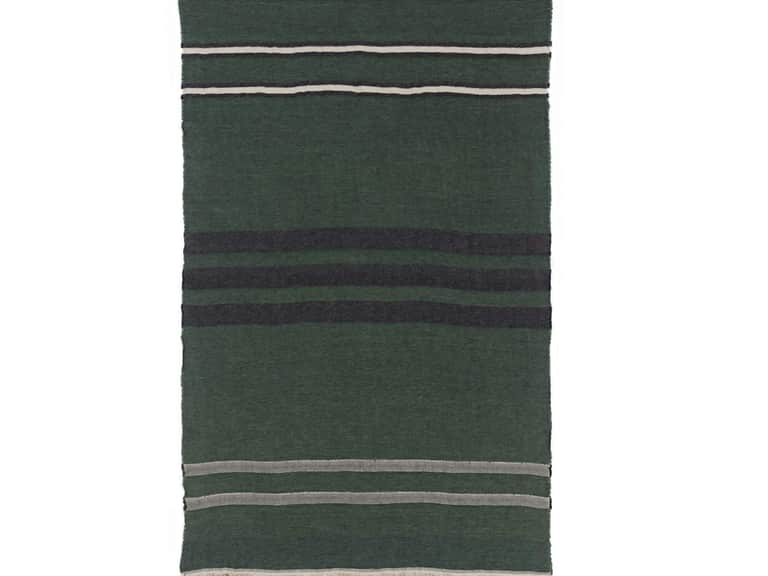
Color affects how often a cloth seems ready for use. Pale shades can brighten a room and show the weave clearly, but food marks may be more visible. Darker colors can add depth and disguise some everyday traces, although lint and pale crumbs may stand out. A mid-tone or an understated stripe can be forgiving, depending on the colors and patterns already in the room.
Think about the tabletop beneath the cloth, too. A linen cloth can cover a surface completely, soften the look of wood, or act as a layer over only part of the table. If you want the grain of a wooden table to remain visible, consider a runner or placemats instead of a full cloth. If the table is used for crafts, homework or meals that tend to travel beyond their plates, a full tablecloth may provide broader coverage.
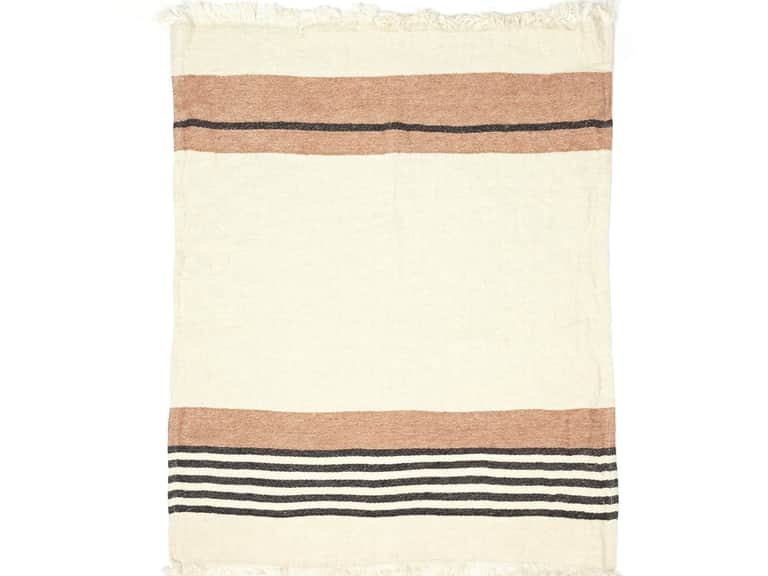
Pattern scale matters. A fine stripe can read almost like texture from across the room, while a broad border or strong check becomes a more definite feature. For a versatile everyday table, restrained patterns and solid colors are easy to combine with different plates, flowers and seasonal accents. But the most practical choice is one you enjoy seeing often—not simply the color that appears most neutral in a product listing.
Natural linen shades can range from pale flax tones to deeper, earthy hues. Dyed linen offers a wider palette, but colored fabric may need separate washing at first, depending on the care guidance. Follow the label, wash with similar colors when advised, and avoid assuming that all linen dyes respond alike to water and heat.
Make the care routine realistic
Regular use means regular washing. Before choosing a cloth, read its care instructions and ask whether they fit your laundry habits. Many linen tablecloths can be machine washed, but recommended temperatures, spin settings and drying methods vary. The instructions supplied with the cloth should take priority over general advice.
For routine laundering, shake off crumbs and remove food promptly rather than letting stains settle for days. Treat a spill according to its type and the fabric’s instructions. Blot rather than rub when a liquid first lands; rubbing can push a mark deeper into the fibers or distort the surface. For oil, wine, coffee or strongly colored foods, check the care label and use an appropriate method before washing. Avoid aggressive bleaching unless the maker explicitly permits it, since it can weaken fibers or alter color.
Do not overload the washing machine. Fabric needs room to move and rinse, and a crowded drum can leave a large cloth twisted or poorly cleaned. Wash a tablecloth with similar colors and compatible textiles, particularly when it is new. Mild detergent is often a sensible choice, but use the amount and type recommended for your machine and the garment instructions.
Air drying is a gentle option when space and weather allow. Spread the cloth evenly or hang it in a way that avoids sharp folds across the middle. If you use a tumble dryer, follow the care label and avoid excessive heat or overdrying. Linen that becomes very dry can feel stiff and may be harder to press; removing it while slightly damp can help with finishing.
Some texture changes are normal. Linen can soften with use, and a cloth may develop a more relaxed drape after repeated washing. The aim is not to freeze the fabric in its first-day condition. Instead, preserve its strength and color by respecting the care instructions and dealing with stains promptly.
Store it so it is ready for the next meal
Once dry, make sure the tablecloth is fully free of dampness before putting it away. Moisture trapped in a cupboard can lead to musty odors and is best avoided. Fold the cloth along its natural lines, or roll it around a tube if you want to reduce deep creases. A clean, dry shelf or breathable fabric bag is generally more suitable than a sealed plastic container for long-term storage.
If your cloth is used every day, a complicated storage routine is unnecessary. The practical aim is to keep it clean, dry and easy to reach. A spare cloth can be helpful during washing or when guests arrive, but the number you need depends on how quickly laundry is done and how often the table is used.
For visible creases before a meal, a brief steam or a light press may be enough. Let freshly ironed fabric cool and dry before folding it away. Storing linen tightly while warm or damp can leave new folds and unwanted odors waiting for the next occasion.
Balance everyday practicality with occasion-ready style
A tablecloth influences more than the surface beneath the plates. It changes the sound of cutlery against the table, softens the boundary between dining furniture and the room, and gives a place for color and texture to gather. Linen is particularly effective when the aim is not perfection but a calm, tactile setting that can move easily from breakfast to supper.
For daily meals, prioritize dimensions, washable construction and a finish you can live with. A cloth with a moderate drop, a sturdy hem and a color suited to the room may prove more useful than a delicate option that requires frequent special handling. For occasional entertaining, you might prefer a longer drop or a more formal color, but it should still be manageable to clean and store.
Consider how the table is used when no meal is underway. It may hold a laptop, a vase, children’s drawings or a stack of mail. A full linen tablecloth can protect the tabletop and make these overlapping uses feel connected. If the surface is frequently used for messy work, a more durable protective layer may be appropriate beneath the linen—or the cloth may be better reserved for mealtimes.
Natural fabric will show the rhythms of a household. A faint crease after lunch, a softened edge and a changing drape are not necessarily signs that the textile has failed. With a suitable weave and sensible care, a linen cloth can become more familiar over time, its appearance shaped by repeated washing and the ordinary movement of daily life.
A practical checklist before you buy
Before choosing a tablecloth, gather the details that matter most. A brief checklist can prevent the common mismatch between a beautiful piece of fabric and the table it needs to serve.
- Measure the tabletop: record its length and width, or diameter, and check every extension configuration you use.
- Choose a drop: decide how far the cloth should hang and confirm it will not interfere with chairs or knees.
- Match the shape: select a cloth shape that covers the surface with balanced proportions.
- Assess the weave and weight: consider the texture, drape and substance you prefer for regular meals.
- Accept the fabric’s character: decide whether natural creasing feels inviting or whether you prefer to press the cloth often.
- Read the care label: check washing temperature, drying guidance, ironing and any restrictions on stain treatment.
- Think about the room: consider the table finish, chair colors, dinnerware and how visible everyday marks may be.
- Check construction: inspect hems, corners, seams and pattern alignment for details that affect appearance and durability.
Frequently asked questions
How much should a linen tablecloth hang over the edge?
There is no universal drop for everyday dining. A shorter overhang is often more practical in a compact space, while a longer drop gives the table a more formal outline. Measure the available chair clearance and consider who uses the table before settling on a length.
Does linen need to be ironed?
No. Linen can be used with its natural creases, which are part of the fabric’s characteristic appearance. If you prefer a smoother finish, iron or steam it according to the care label. Removing it from the dryer while slightly damp and smoothing it by hand can reduce the need for extensive pressing.
Is linen suitable for everyday dining?
It can be, especially when you choose a size and construction that suit the table and are comfortable with the care routine. Prompt attention to spills, suitable washing and careful drying help a linen tablecloth remain useful through regular meals. Always follow the specific care instructions for the cloth you own.
How should I choose a tablecloth for an extending table?
Measure both the closed and extended table. Then decide whether one cloth can provide an acceptable drop in both arrangements, or whether separate sizes would give a better fit. If the table is extended only occasionally, a larger cloth may be a workable compromise; if both sizes are used often, two cloths can offer a neater result.
What is the best color for a frequently used tablecloth?
The best color depends on the room and the marks you find most noticeable. Mid-tones and subtle patterns can balance visual warmth with everyday practicality, while pale or dark colors create different effects and show different kinds of debris. Choose a shade you enjoy and are willing to maintain.
A cloth for the table you actually use
The most successful linen tablecloth is not necessarily the heaviest, smoothest or most formal. It is the one whose dimensions suit the table, whose texture feels right in the room and whose care instructions make sense in everyday life. Measure first, picture the fabric in use, and be honest about how much ironing and stain treatment you want to do.
Then let the material be linen. It will gather creases, soften with washing and take its place among the objects that make a home feel lived in. Under a weekday meal or a long Sunday lunch, the right cloth does its work quietly: protecting the surface, bringing warmth to the setting and leaving room for the life happening around it.